Products sold as TB-500 contain Ac-LKKTETQ, an N-acetylated copy of residues 17–23 of thymosin beta-4 (PubChem: C38H68N10O14, 889.0 g/mol).
Thymosin beta-4 is a 43-residue actin-binding peptide of about 4,963 g/mol; TB-500 is a seven-residue fragment of it, and data on one should not be attributed to the other.
Because "TB-500" is a product name, the documented sequence and observed mass define what a sample contains; a missing acetyl group lowers the mass by 42 Da.
In the June 2026 Poisons Standard, TB-500 and thymosin beta 4 each have a Schedule 4 entry and are listed in Appendix D, clause 5.
TB-500 is a synthetic heptapeptide based on a short region of thymosin beta-4 (Tβ4), not the full protein. PubChem records it as Ac-LKKTETQ: residues 17–23 of Tβ4 with an acetyl group added to the N-terminus.1 The fragment weighs about 889 g/mol and the full 43-residue protein about 4,963 g/mol, so the two are easy to tell apart analytically and should never be confused in the literature.1
This profile describes the compound as a laboratory chemical: identity, structure, analytical checks, handling and regulation. Titan Peptides supplies it for laboratory and research use only; it is not for human consumption.
What is TB-500?
Analytical laboratories that examined products sold under the TB-500 name identified the key ingredient by liquid chromatography with high-resolution mass spectrometry as the N-terminally acetylated 17–23 fragment of human Tβ4, and confirmed the assignment by making the same peptide by solid-phase synthesis. PubChem's record for TB-500 lists the same structure, Ac-Leu-Lys-Lys-Thr-Glu-Thr-Gln-OH.1
Synthetic copy of Tβ4 residues 17–23 with an added N-terminal acetyl group
Encoded by the TMSB4X gene
Other names
TB 500
Tβ4, timbetasin, Fx peptide
Values are from the PubChem records for each compound; the sequence and gene are from UniProt entry P62328.12
What is thymosin beta-4?
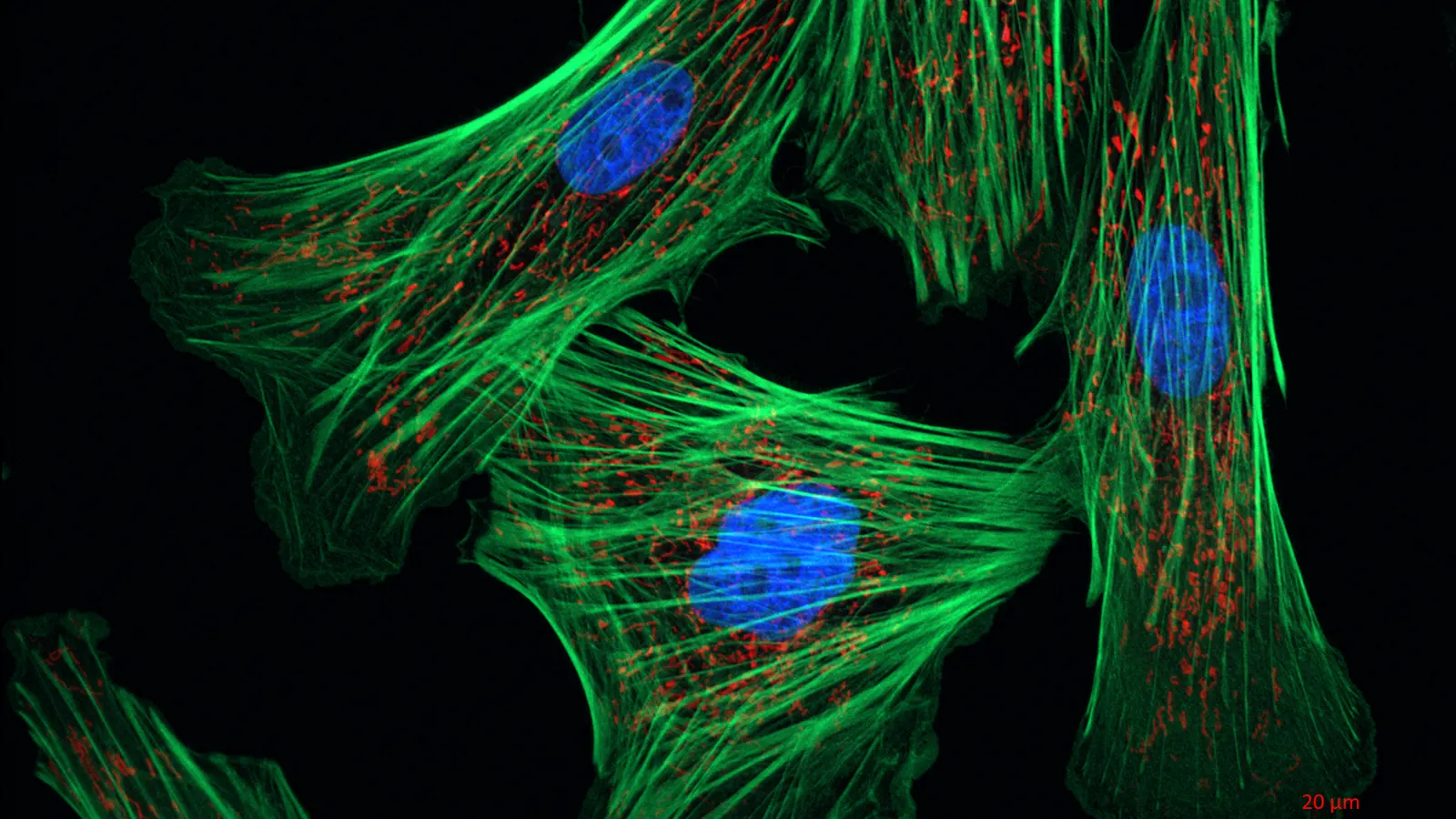
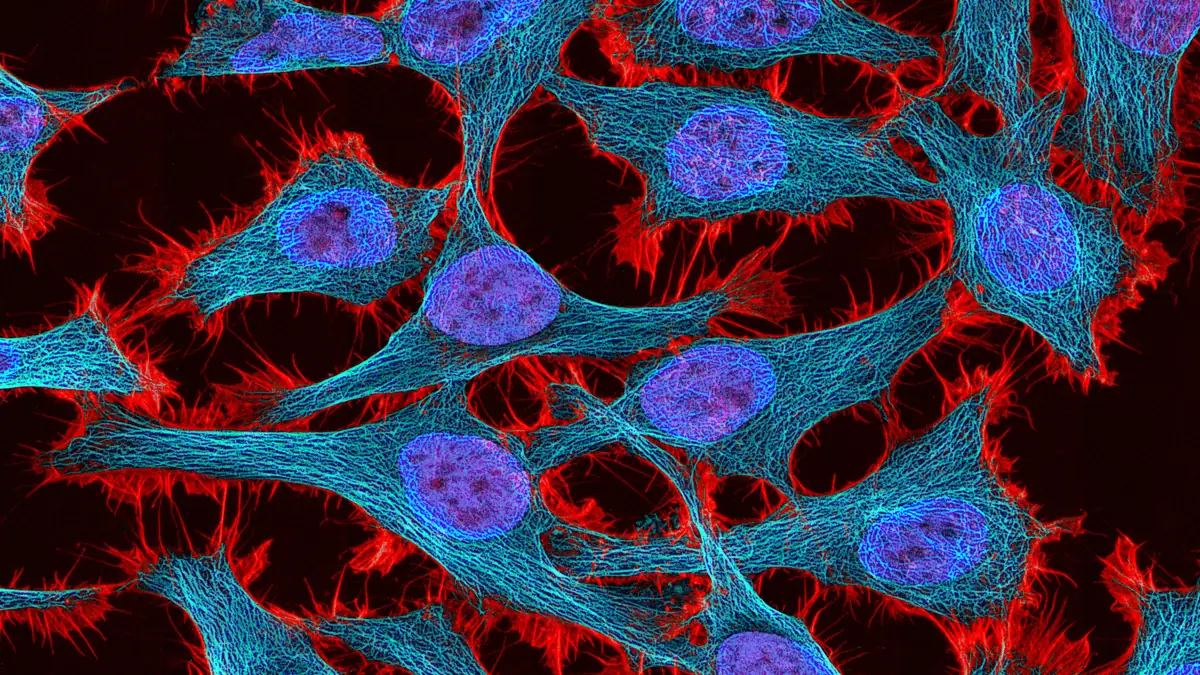
Tβ4 is a highly conserved, acidic peptide of 43 amino acids. Its best-established role is structural: it binds monomeric (G-) actin and is regarded as the main G-actin-sequestering peptide in mammalian cells, which affects how cells build and remodel their actin cytoskeleton. The LKKTETQ region sits at the centre of the molecule: a 2010 review describes it as the central actin-binding domain plus one additional amino acid, which is why that short sequence was singled out.3 The fragment lacks the rest of the protein.
Fragment or whole protein. Analytical sources treat TB-500 as the seven-residue fragment, and the Poisons Standard lists "TB-500" and "thymosin beta 4" as separate entries.4 Because "TB-500" is a product name rather than an official nonproprietary name (PubChem lists timbetasin for Tβ4 itself), the label on a vial does not define its contents; the documented sequence and mass do.1
Where the actin-binding motif ends. A 2010 review describes "LKKTETQ, the central actin-binding domain (aa 17-23) plus 1 additional amino acid (Q)", so sources do not agree exactly on the boundaries of the core motif.3
Residue numbering. "17–23" counts from the acetylated serine that begins the mature protein. UniProt's reference sequence includes the initiator methionine that is removed from the mature chain, so the same residues are numbered 18–24 there.2
Checking what a TB-500 sample actually is
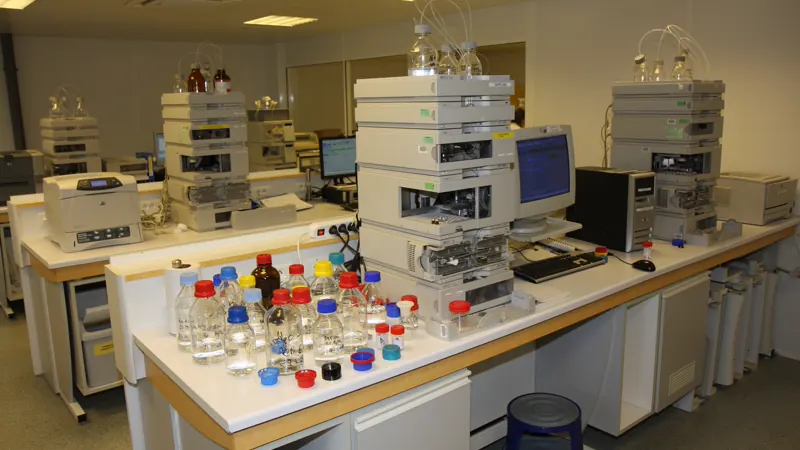
Because TB-500 is a product name rather than a pharmacopoeial substance, identity checks matter more than usual. Documentation should state the sequence and an observed mass that matches it: about 889 g/mol for Ac-LKKTETQ, or about 4,963 g/mol for full-length Tβ4. The two differ by more than 4,000 g/mol, which mass spectrometry resolves easily. A missing N-terminal acetyl group lowers the mass by 42 Da, enough to tell the acetylated fragment from the free heptapeptide. Our explainer on how HPLC and mass spectrometry test peptide identity and purity covers what those figures mean in practice.
Storage and handling
Store the sealed vial dry, dark and frozen at −20 °C or colder (−50 to −80 °C for long-term storage), and let it warm to room temperature in a desiccator before opening. The C-terminal glutamine is one of the residues the storage literature flags as prone to deamidation, which is a reason not to keep TB-500 in solution for long: split a reconstituted stock into single-use aliquots, freeze them, and do not refreeze a thawed aliquot. See storing lyophilised and reconstituted peptides.
TB-500 in Australia
In the June 2026 Poisons Standard, TB-500 and thymosin beta 4 each have their own entry in Schedule 4 (prescription-only medicines), and each is also listed in Appendix D, clause 5, which covers poisons that "must not be possessed by a person without authority".4 The TGA's 13 April 2026 safety advisory names TB-500 among its examples of unapproved peptide products and states that a "research use only" disclaimer does not make supply lawful.5 Scheduling is implemented through state and territory legislation; our guide are research peptides legal in Australia? explains how that works.
Frequently asked questions
Is TB-500 the same as thymosin beta-4?
No. Products sold as TB-500 contain Ac-LKKTETQ, a synthetic, N-acetylated copy of residues 17 to 23 of thymosin beta-4, which is itself a 43-residue peptide. The fragment weighs about 889 g/mol against about 4,963 g/mol for the full protein, so data on one should not be attributed to the other.
What is the sequence of TB-500?
PubChem identifies TB-500 as Ac-Leu-Lys-Lys-Thr-Glu-Thr-Gln-OH, written Ac-LKKTETQ, with molecular formula C38H68N10O14, molar mass 889.0 g/mol and CAS number 885340-08-9. It corresponds to residues 17 to 23 of mature thymosin beta-4, with an acetyl group added to the N-terminal leucine.
How can you tell TB-500 from thymosin beta-4 in a sample?
By mass. Ac-LKKTETQ is about 889 g/mol and full-length thymosin beta-4 about 4,963 g/mol, a difference mass spectrometry resolves easily. A missing N-terminal acetyl group would lower the fragment mass by 42 Da, so the observed mass also confirms the acetylation.
Is TB-500 legal in Australia?
In the June 2026 Poisons Standard, TB-500 and thymosin beta 4 are both listed in Schedule 4 and both appear in Appendix D, clause 5, which covers poisons that must not be possessed without authority. The TGA names TB-500 as an unapproved peptide product. Scheduling is applied through state and territory legislation.
References
National Center for Biotechnology Information. PubChem Compound Summaries for CID 62707662 (TB-500, Ac-LKKTETQ) and CID 16132341 (thymosin beta-4, timbetasin). Accessed September 2026. Source
UniProt Consortium. UniProtKB entry P62328, Thymosin beta-4 (TMSB4X), Homo sapiens. Accessed September 2026. Source
Sosne G, Qiu P, Goldstein AL, Wheater M. Biological activities of thymosin beta4 defined by active sites in short peptide sequences. FASEB J. 2010;24(7):2144-51. PubMed 20179146
Therapeutic Goods (Poisons Standard—June 2026) Instrument 2026 (F2026L00633), registered 28 May 2026, commenced 1 June 2026. Schedule 4 and Appendix D, clause 5. Federal Register of Legislation. Source
Therapeutic Goods Administration. Understanding your responsibilities when importing, compounding and supplying unapproved peptide products (safety advisory). Published 13 April 2026. Source
Research use only. This article summarises published scientific literature
for educational purposes. It is not medical advice and does not describe or endorse human
or veterinary use. Compounds supplied by Titan Peptides are for laboratory research only
and are not approved therapeutic goods in Australia.
A chemical profile of BPC-157: the 15-residue sequence and its identifiers, salt forms, how identity is checked in the laboratory, storage, and its place in the Australian Poisons Standard.
How reverse-phase HPLC and mass spectrometry are used to test peptide purity and identity, how to read a chromatogram and a mass spectrum, and what each method cannot tell you.
What the TGA, the June 2026 Poisons Standard, the Therapeutic Goods Act and customs law actually say about peptides, "research use only" labels, import controls and advertising in Australia.